Does Pulley Size Matter?
The question of whether pulley size matters is one that is often asked in the world of mechanics and engineering. To put it succinctly, yes, the size of a pulley does have a significant impact on how it operates. Now, let’s delve into the specifics to understand why this is the case.
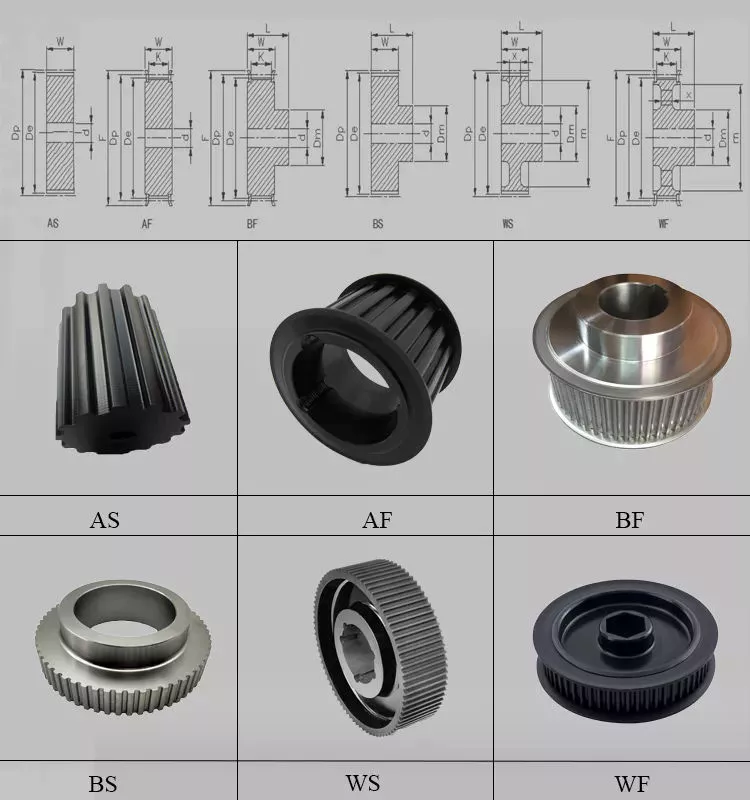
The Basic Principles of Pulleys
To understand why pulley size matters, it’s essential to first grasp the basic principles of how a pulley works. A pulley is a simple machine that is utilized to lift heavy objects, or to apply force in various mechanical applications. They are composed of a wheel on an axle, designed to support movement and change of direction of a cable or belt along its circumference.
How Pulley Size Impacts Performance
The size of the pulley can greatly influence its performance. It affects the speed, force, and efficiency of the pulley system. Larger pulleys can handle greater loads, as the increased circumference distributes the weight over a larger area, reducing the amount of stress on any one point. Conversely, smaller pulleys are generally faster, as they require less time to complete a revolution.
The Relationship between Pulley Size and Speed
The size of a pulley is directly related to its speed. The larger the pulley, the slower it will rotate, given the same amount of force. This is because the larger circumference requires more time to complete a revolution. On the other hand, a smaller pulley will rotate more quickly, as it requires less time to complete a revolution. Therefore, if speed is a priority, a smaller pulley may be the best choice.
The Relationship between Pulley Size and Force
Pulley size also affects the amount of force that can be applied. A larger pulley can handle a greater load, as the increased circumference distributes the weight over a larger area, reducing the amount of stress on any one point. This means that if you need to lift heavy objects, a larger pulley would be more appropriate.
Pulley Size and Efficiency
Efficiency is another aspect influenced by the size of a pulley. Larger pulleys tend to be more efficient at transferring power. This is because a larger diameter reduces the bending stress on the belt or cable, leading to less energy loss and a more efficient transfer of power. Smaller pulleys, on the other hand, can experience more significant energy losses due to increased bending stress.
Choosing the Right Pulley Size
Choosing the right pulley size depends on the specific requirements of your task. If you need to lift heavy objects, a larger pulley may be more suitable. However, if speed is more important, a smaller pulley may be the better choice. It is important to balance these factors and choose the pulley size that best meets your needs.
Conclusion
So does pulley size matter? Absolutely. The size of a pulley plays a crucial role in determining its speed, force, and efficiency. Understanding this concept is key to selecting the right pulley for your specific needs. As with many things in life, it’s all about finding the right balance.