Drive and Driven Pulley
Understanding the Drive Pulley
The drive pulley is a fundamental component in various mechanical systems. It functions as the main mechanism that transmits power from the motor to other parts of the machinery. Typically, it is connected to the motor shaft and rotates at the same speed as the motor.
The Role of the Driven Pulley
The driven pulley, on the other hand, is the component that receives power from the drive pulley. It is usually attached to the equipment that requires motion and rotates at a speed that is dependent on the drive pulley¡¯s rotation and the belt ratio.
Material Composition of Pulleys
Pulleys are manufactured from a variety of materials including cast iron, steel, aluminum, and plastic. The choice of material affects the pulley¡¯s durability, weight, and cost, making it essential to select the appropriate material for specific applications.
Key Differences Between Drive and Driven Pulleys
While both pulleys are integral to power transmission, they serve different purposes. The drive pulley is responsible for initiating the movement, whereas the driven pulley is tasked with receiving and transferring that energy to perform work.
Importance of Pulley Alignment
Proper alignment between the drive and driven pulleys is crucial for efficient operation. Misalignment can lead to increased wear and tear, reduced efficiency, and potential failure of the belt or pulleys.
Types of Belt Drives
There are several types of belt drives used in conjunction with pulleys, including V-belts, flat belts, and synchronous belts. Each type offers distinct advantages and is suitable for different applications.
Advantages of V-Belt Drives
V-belt drives are renowned for their ability to transmit higher power with less slippage compared to flat belts. Their trapezoidal shape allows them to wedge into the pulley’s groove, providing a superior grip.
Maintenance of Pulley Systems
Regular maintenance is essential to ensure the longevity and efficiency of pulley systems. This includes periodic inspection, lubrication, and replacement of worn-out belts and pulleys.
Common Applications of Pulleys
Pulleys are utilized in a wide range of applications, from industrial machinery to automotive engines and household appliances. Their ability to efficiently transmit power makes them indispensable in many mechanical systems.
Choosing the Right Pulley System
Selecting the appropriate pulley system involves considering factors such as load requirements, speed ratios, and environmental conditions. This ensures optimal performance and longevity of the system.
Pulley System Efficiency
The efficiency of a pulley system is determined by the quality of the pulleys and belts, as well as the precision of their alignment. High-quality components and proper installation can significantly enhance system efficiency.
Innovations in Pulley Design
Recent advancements in materials and manufacturing techniques have led to the development of more efficient and durable pulleys. These innovations include the use of composite materials and precision machining.
The Future of Pulley Systems
The future of pulley systems lies in continued innovation and the adoption of smart technologies. This includes the integration of sensors and automation to monitor and optimize pulley performance in real-time.
Environmental Considerations
Environmental concerns are driving the development of more sustainable pulley systems. This includes the use of eco-friendly materials and designs that reduce energy consumption and minimize waste.
Conclusion
Understanding the intricacies of drive and driven pulleys is essential for anyone involved in mechanical engineering or maintenance. By selecting the right pulleys and maintaining them properly, one can ensure efficient and reliable operation of machinery.
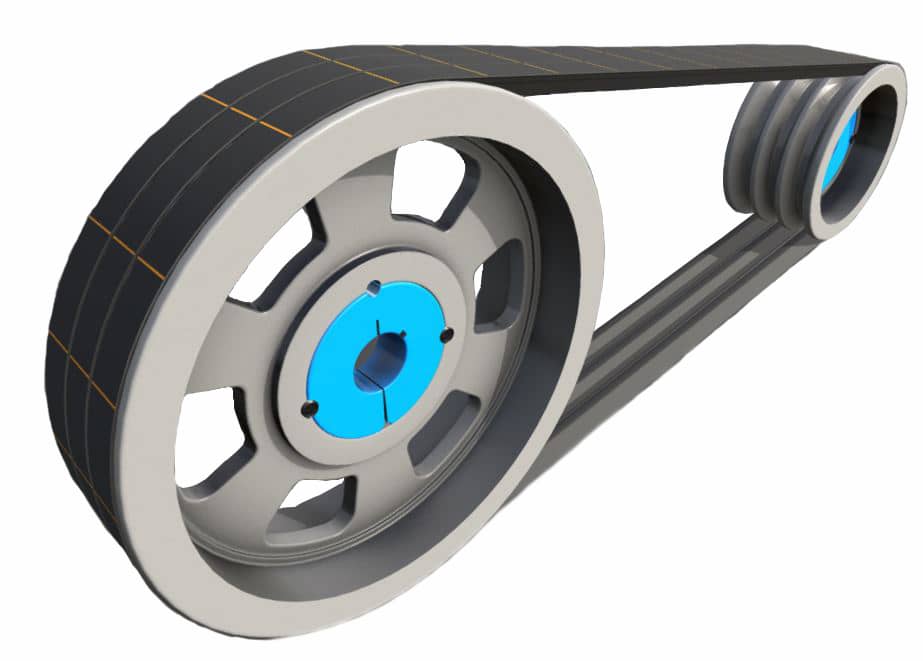
Round Belts & Pulleys
Material and Construction
Round belts are made from materials such as polyurethane, rubber, and silicone, offering flexibility and strength. The construction involves precision molding to ensure uniformity and durability.
Applications
Round belts and pulleys are commonly used in lightweight applications such as small machinery, conveyors, and office equipment. Their flexibility allows for smooth operation in various configurations.
Advantages
One of the primary advantages of round belts is their ability to operate quietly and efficiently. Additionally, they are easy to install and replace, reducing downtime in industrial settings.
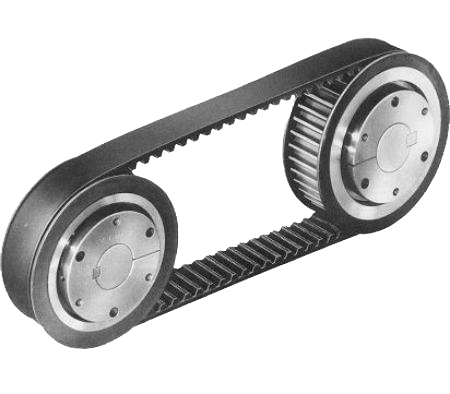
Types of V-Belt Pulleys
Classical V-Belt Pulleys
Classical V-belt pulleys are designed for standard industrial applications. They offer a balance between power transmission and cost-effectiveness, making them suitable for a wide range of uses.
Narrow V-Belt Pulleys
Narrow V-belt pulleys are used in high-power applications where space is limited. Their design allows for greater power transmission efficiency while occupying less space compared to classical V-belts.
Variable Speed V-Belt Pulleys
Variable speed V-belt pulleys enable adjustments to the speed of the driven machinery. They are ideal for applications that require variable speeds, such as conveyors and machine tools.
Double V-Belt Pulleys
Double V-belt pulleys are designed to accommodate two V-belts simultaneously, providing increased power transmission capability. They are used in heavy-duty industrial applications where high torque is required.

V-Belt Pulley Components
The V-belt pulley assembly consists of several components, each contributing to its functionality and performance. Key components include the hub, rim, and grooves, each tailored to specific requirements of the belt and application.
How to Choose or Customize the Right Belt Pulley
Load Requirements
Understanding the load requirements is crucial when selecting a belt pulley. This involves determining the amount of force the pulley needs to transmit and ensuring the chosen pulley can handle the load without failure.
Speed Ratio
The speed ratio between the drive and driven pulleys affects the overall performance of the system. It is essential to calculate the desired speed ratio to ensure the machinery operates at optimal efficiency.
Environmental Conditions
Environmental conditions such as temperature, humidity, and exposure to chemicals can affect the performance of belt pulleys. Selecting materials and designs that withstand these conditions ensures longevity and reliability.
Material Selection
Choosing the right material for the belt pulley involves considering factors such as strength, weight, and corrosion resistance. Materials like cast iron, steel, and aluminum each offer unique benefits for different applications.
Customization Options
Customization options allow for the design of pulleys that meet specific requirements. This includes custom sizes, shapes, and features that enhance performance and compatibility with existing systems.

HZPT’s Expertise and Product Offerings
HZPT specializes in the design, development, and manufacturing of high-performance parts, including belt pulleys. Our products are highly popular in markets across Europe, South America, and Australia, earning the trust of numerous customers. We prioritize product quality and adhere to a ¡°customer-first service¡± policy. With an energetic, capable team, we are confident in our ability to provide professional services to meet any requirement. Fast delivery is one of our strengths.
In China, we have a professional factory dedicated to developing new products and providing OEM services. Additionally, we maintain a well-stocked warehouse to ensure timely distribution of goods to meet the diverse needs of our clients. We are committed to continuously improving our services and offering the highest quality products at competitive prices. We welcome any inquiries or feedback and encourage you to reach out to us at any time.
Product and Company Advantages
High-Quality Products
Our belt pulleys are manufactured using premium materials and advanced techniques, ensuring durability and superior performance in various applications.
Customer-Centric Service
We prioritize our customers’ needs, offering tailored solutions and excellent after-sales support to ensure complete satisfaction.
Competitive Pricing
Our efficient manufacturing processes allow us to offer high-quality products at competitive prices, providing excellent value for money.
Fast Delivery
With a well-stocked inventory and efficient logistics, we ensure prompt delivery of products to meet the urgent needs of our clients.
Innovation and Customization
We continuously invest in research and development to innovate and customize products that meet the unique requirements of our customers, ensuring optimal performance and reliability.