How Long Can You Drive With a Bad Tensioner Pulley?
For those unfamiliar with the inner workings of a car, the tensioner pulley may not be a commonly known component. Despite this, it is an essential part of your vehicle’s functioning, playing a crucial role in ensuring the serpentine belt – a belt that powers multiple devices in your engine, such as the alternator, power steering pump, and air conditioning compressor – operates effectively.
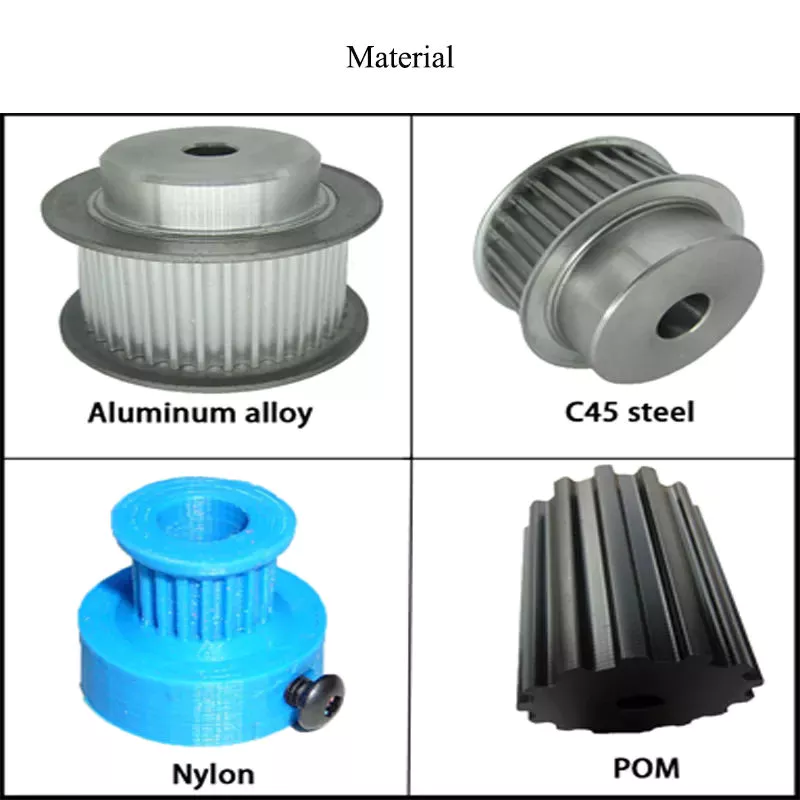
So, “how long can you drive with a bad tensioner pulley?” The answer is not straightforward. It depends on various factors such as the extent of the damage, the performance of other components, and the type of vehicle. Nevertheless, it is crucial to address the issue as soon as possible to prevent further harm to your engine.
The Role of the Tensioner Pulley in Your Vehicle
Before delving into the specifics, it’s critical to understand the role of the tensioner pulley in your vehicle. The tensioner pulley works to maintain the correct tension on the serpentine belt, which in turn, ensures the smooth operation of the various engine components. Should the tensioner pulley fail, the belt could lose its grip and cause a host of other issues.
Identifying a Bad Tensioner Pulley
A failing tensioner pulley may produce a series of symptoms that could indicate a problem. These symptoms can include a squealing or chirping noise from the engine, visible wear on the belt, or a vibrating engine. It may also cause the vehicle’s power steering to fail, making the car difficult to control. It’s crucial to pay attention to these signs and seek immediate professional help to mitigate the risk of severe damage.
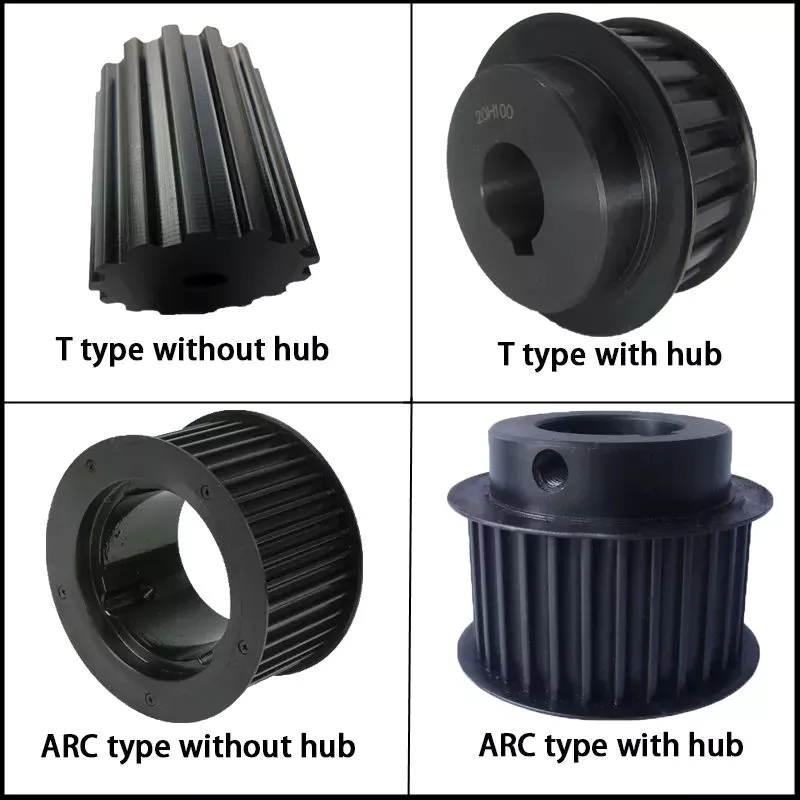
The Risks of Driving with a Bad Tensioner Pulley
Continuing to drive with a defective tensioner pulley is risky. It can cause the serpentine belt to slip off or break, which can lead to the failure of various engine components and potentially leave you stranded. In worst-case scenarios, it may cause significant engine damage that requires expensive repairs or even a complete engine replacement.
Preventative Measures and Maintenance
Regular maintenance and inspection of your vehicle’s tensioner pulley can help prevent severe complications. It’s recommended to replace the tensioner pulley every 60,000 to 100,000 miles, or as suggested by your vehicle’s manufacturer. Regular checks for wear and tear, unusual noises, or changes in vehicle performance can help you detect issues early and resolve them before they escalate.
Consequences of Ignoring a Bad Tensioner Pulley
Ignoring a bad tensioner pulley can lead to a cascade of issues. The failure of this relatively small component can set off a chain reaction, causing the serpentine belt to malfunction and subsequently leading to the failure of other engine components. This can cause a significant reduction in vehicle performance and, in severe cases, can even result in a complete breakdown.
Professional Assessment and Repair
It’s always recommended to seek a professional’s advice when dealing with potential vehicle issues. Qualified mechanics have the knowledge and experience to accurately diagnose and repair tensioner pulley issues. They can also provide guidance on proper maintenance practices to prevent future problems.
Conclusion
In conclusion, while it’s difficult to definitively say how long you can drive with a bad tensioner pulley, it’s clear that it’s not a situation you want to be in. The potential for severe damage to your vehicle’s engine and the associated repair costs make it a risk not worth taking. The best course of action is to seek professional help as soon as you suspect a problem with your tensioner pulley. Regular maintenance and timely repairs can keep your vehicle running smoothly and prevent costly complications in the future.