Understanding Industrial Hydraulic Cylinders for Hydraulic Presses
Key Components and Structure of Hydraulic Cylinder
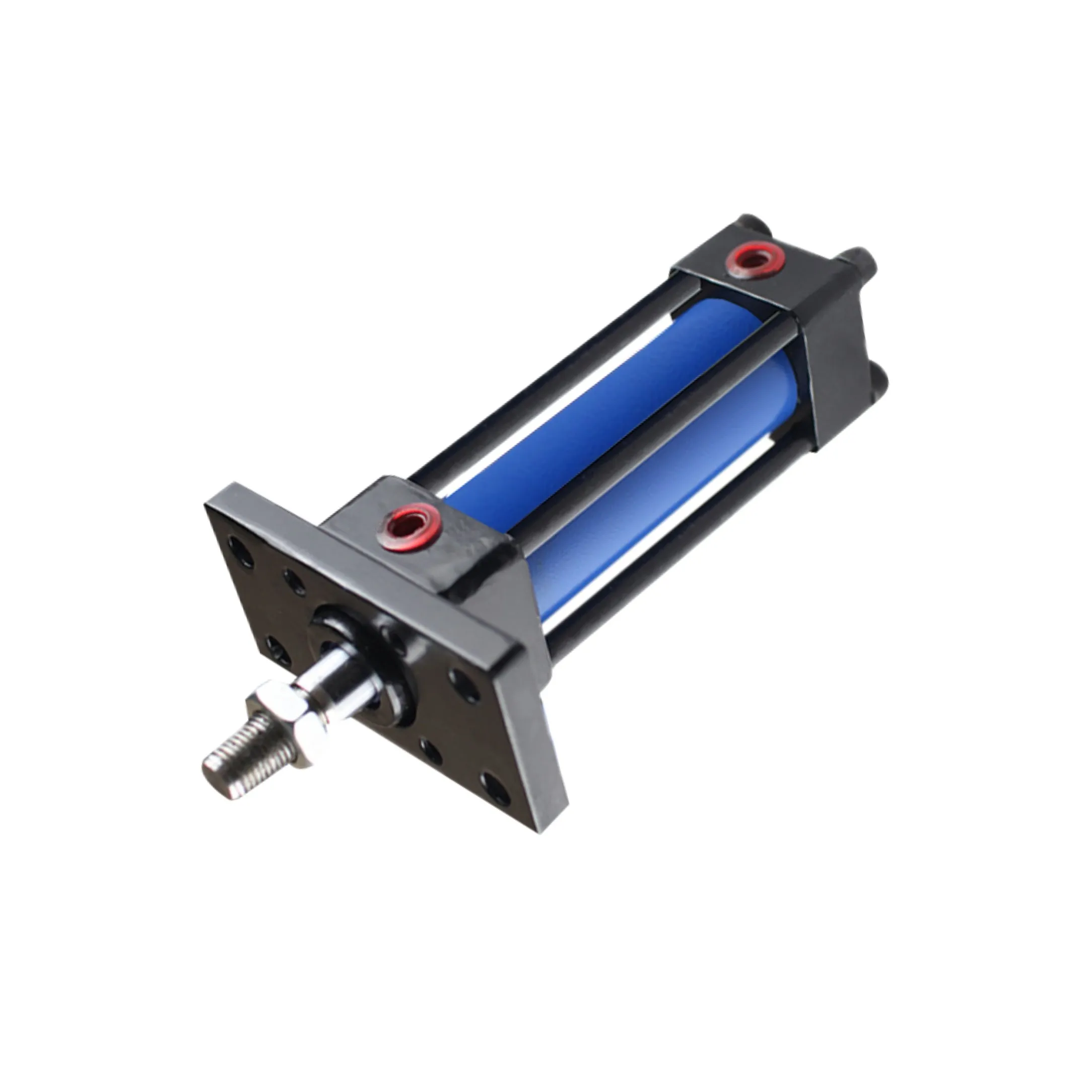
Hydraulic cylinders are vital components in industrial environments where heavy machinery and equipment are used. These cylinders consist of a cylinder barrel, piston, piston rod, seals, and a head. The cylinder barrel houses the piston and acts as a guide for the piston rod. Seals prevent leakage of hydraulic fluid, while the head provides support and attachment points for the cylinder.
Principle of Operation
Hydraulic cylinders operate on the principle of converting hydraulic energy into mechanical energy. When pressurized hydraulic fluid enters the cylinder, it pushes the piston, creating linear motion. The direction of movement is determined by the flow of fluid controlled by valves.
Types of Hydraulic Cylinders
Single Acting Cylinder
A single acting cylinder uses hydraulic pressure to extend the piston, but relies on an external force to retract it. These are commonly used in applications where gravity or a spring can provide the necessary force.
Double Acting Cylinder
Double acting cylinders use hydraulic pressure to both extend and retract the piston. They are versatile and widely used in various industrial sectors due to their ability to provide force in both directions.
Telescopic Cylinder
Telescopic cylinders consist of multiple nested stages that allow for a long stroke length in a compact space. They are ideal for applications where a long reach is needed.
Differential Cylinder
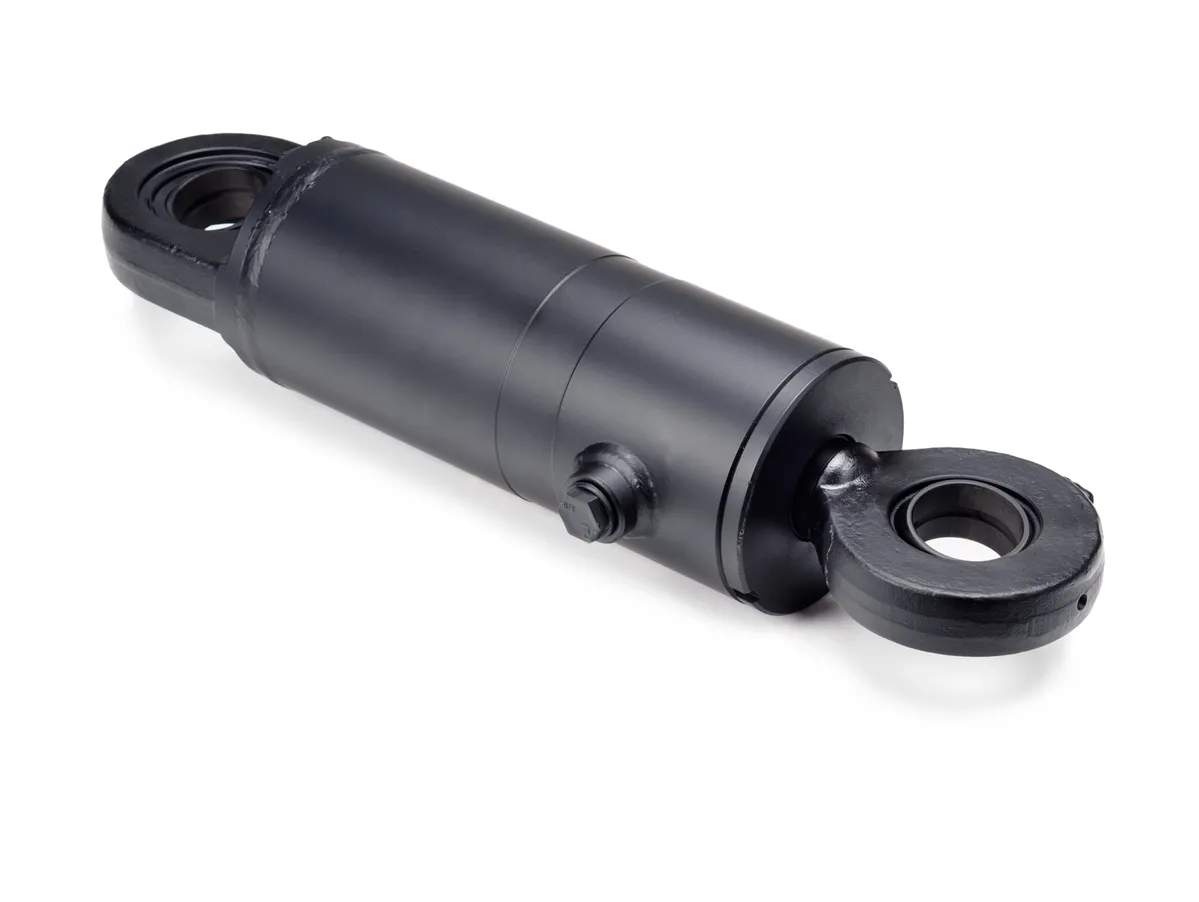
Differential cylinders have different piston areas on each side, allowing for different forces to be generated in each direction. They are used in applications where varying force outputs are required.
Advantages of Industrial Hydraulic Cylinders
1. High force output
2. Precise control of movement
3. Compact design
4. Smooth operation
5. Long service life
Industrial Applications
Industrial hydraulic cylinders are widely used in manufacturing, construction, mining, agriculture, and other sectors. They play a crucial role in machinery such as presses, cranes, excavators, tractors, and more.
Manufacturing
In manufacturing, hydraulic cylinders are used in assembly lines, metalworking machinery, and injection molding machines to provide precise control and force for various processes.
Construction
Construction equipment such as cranes, bulldozers, and excavators rely on hydraulic cylinders for lifting, pushing, and digging operations on construction sites.
Mining
In the mining industry, hydraulic cylinders are used in equipment like rock drills, hydraulic shovels, and haul trucks to handle heavy loads and harsh environments.
Agriculture
Agricultural machinery such as tractors, harvesters, and irrigation systems utilize hydraulic cylinders for tasks like plowing, harvesting, and moving heavy equipment.
Selecting the Right Hydraulic Cylinder
When choosing an industrial hydraulic cylinder, factors such as load capacity, stroke length, bore size, and operating conditions must be taken into consideration. It is essential to match the cylinder’s performance to the specific requirements of the application for optimal functionality.
Maintenance and Care
Regular maintenance of industrial hydraulic cylinders is crucial for ensuring optimal performance and longevity. Inspection, lubrication, and cleaning are key maintenance tasks that should be performed to prevent breakdowns and extend the life of the cylinder.
Installation Guide
Proper installation of hydraulic cylinders is essential to ensure safe and efficient operation. Follow manufacturer guidelines for mounting, alignment, and connection of hydraulic lines to prevent leaks and malfunctions.
Fault Diagnosis and Common Problems
If issues arise with hydraulic cylinders, it is essential to diagnose and address them promptly. Common problems include leaks, seal damage, and piston misalignment. Troubleshooting tips and solutions can help resolve these issues effectively.
Preventive Measures
To minimize potential problems with hydraulic cylinders, regular maintenance, proper installation, and monitoring of performance are essential. Implementing preventive measures can help optimize the cylinder’s performance and prevent costly repairs.
Choosing the Right Hydraulic Cylinder
Exploring factors to consider when selecting an industrial hydraulic cylinder involves evaluating load requirements, space constraints, operating conditions, and compatibility with existing systems. Choosing the right cylinder ensures efficient operation and longevity.
Long-Tail Keywords and SEO Articles
1. “Hydraulic Cylinder Maintenance Tips”
2. “Choosing the Best Hydraulic Cylinder for Your Application”
3. “Optimizing Hydraulic Cylinder Performance”
Company Overview
We are a leading hydraulic cylinder manufacturer and wholesale distributor specializing in replacement cylinders for industrial applications. With a complete product line, international certifications, custom services, advanced production equipment, and dedicated after-sales support, we are committed to delivering high-quality hydraulic solutions for our customers.
Author: lyl