What Happens When a Tensioner Pulley Fails?
A tensioner pulley, an integral element in a vehicle’s serpentine belt system, plays a vital role in the smooth operation of the engine. But, what happens when a tensioner pulley fails? The consequences can be significant, potentially leading to considerable damage and engine failure. Let’s delve deeper into the importance of the tensioner pulley, the symptoms of its failure, and the potential fallout.
Understanding the Role of a Tensioner Pulley
A tensioner pulley is a central component in your vehicle’s serpentine belt system. It is tasked with maintaining the correct tension on the belt, ensuring the smooth transmission of power from the engine to the other components. Without a properly functioning tensioner pulley, the serpentine belt could slip or become misaligned, leading to a variety of issues, including poor engine performance and even engine failure.
Signs of a Failing Tensioner Pulley
Recognizing the signs of a failing tensioner pulley is crucial to prevent potential damage. Here are some common symptoms to watch out for:
- Unusual noises: A failing tensioner pulley often produces a high-pitched squealing or grinding noise. This is due to the pulley bearing wearing out, causing the pulley to wobble or misalign.
- Visible wear and tear: If the tensioner pulley is visibly loose or shows signs of damage, it’s likely failing. Regular inspection can help detect these signs early.
- Engine performance issues: A damaged tensioner pulley can lead to engine misfires, power loss, or even overheating. These issues arise because the serpentine belt isn’t maintaining proper tension to drive the other components.
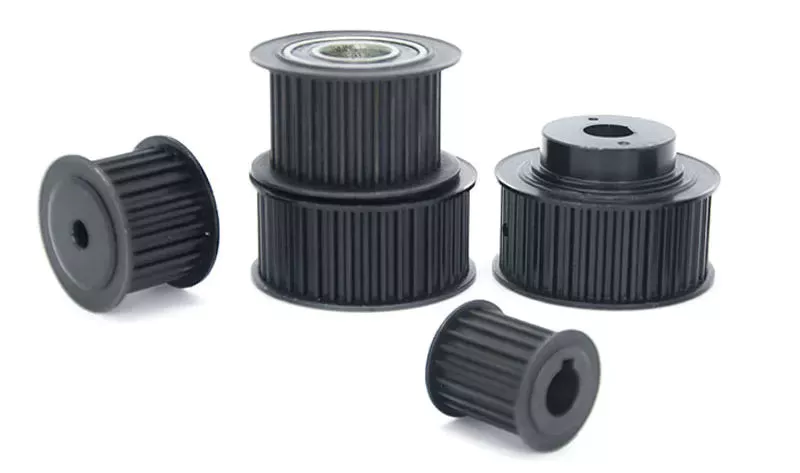
Consequences of a Failing Tensioner Pulley
Failure of a tensioner pulley can have severe consequences for your vehicle. The serpentine belt, which relies on the pulley for tension, powers various components such as the alternator, power steering pump, air conditioning compressor, and sometimes the water pump. Therefore, a malfunctioning tensioner pulley can lead to these components not working effectively.

Additionally, if the tensioner pulley fails completely, the serpentine belt may break or slip off, leading to immediate engine failure. This can cause a sudden loss of steering and braking power, posing a significant safety risk.
Preventing Tensioner Pulley Failure
To prevent tensioner pulley failure, regular maintenance and inspection of your vehicle’s serpentine belt system are essential. This includes checking for signs of wear and tear, listening for unusual noises, and replacing parts as necessary. Regular maintenance can help prolong the life of the tensioner pulley and prevent potential engine failure.
Conclusion
A tensioner pulley may be a relatively small component in your vehicle, but its role is undeniably crucial. Failure of this component can lead to serious consequences, including significant engine damage and potential safety risks. Therefore, understanding what happens when a tensioner pulley fails and how to prevent it is key to maintaining the health and longevity of your vehicle.