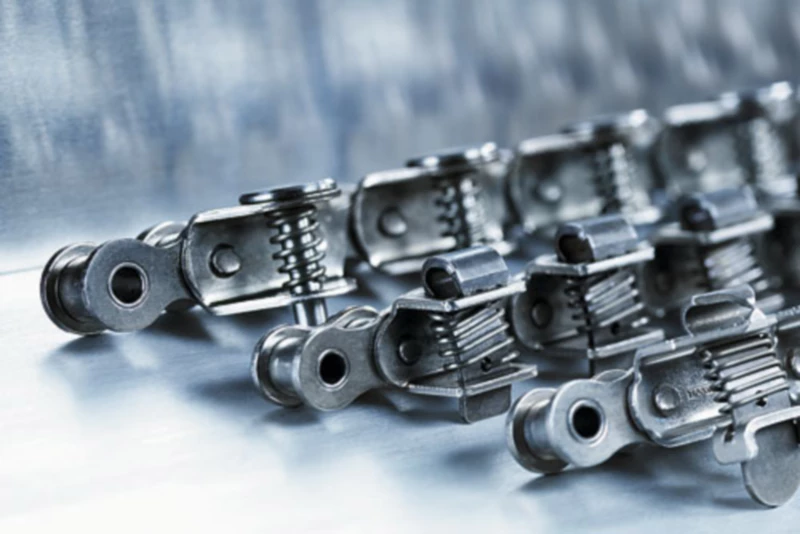
A gripper chain is a type of conveyor chain that is designed to grip and move products along a production line. It is an important component in many manufacturing and packaging processes, as it helps to automate the movement of products and materials, increasing efficiency and reducing labor costs.
How Does a Gripper Chain Work?
A gripper chain works by using a series of specially designed gripper plates that are attached to the chain links. These plates are designed to grip the product or material being moved, holding it securely as it is transported along the conveyor line. The gripper plates can be customized to suit specific product shapes and sizes, ensuring a secure grip and smooth movement.
Types of Gripper Chains
1. Single Strand Gripper Chains
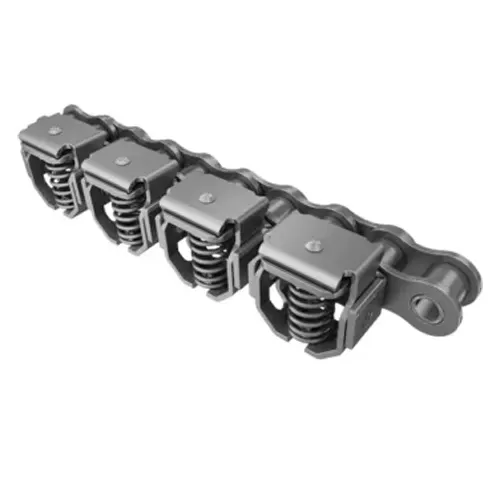
A single strand gripper chain is a simple, cost-effective solution for many conveyor applications. It consists of a single chain strand with gripper plates attached at regular intervals along the chain links. Single strand gripper chains are ideal for applications where the product being moved is relatively light and the conveyor line is not too long.
2. Double Strand Gripper Chains
Double strand gripper chains are designed for heavier loads and longer conveyor lines. They consist of two chain strands that run parallel to each other, with gripper plates attached at regular intervals. The use of two chains provides greater stability and reduces the risk of the chain twisting or becoming misaligned during operation.
3. Accumulation Gripper Chains
Accumulation gripper chains are designed to allow products to accumulate on the conveyor line, rather than being continuously moved along. This can be useful in situations where downstream processes are not ready to receive the product, or where a buffer is needed to prevent bottlenecks in the production line. Accumulation gripper chains work by using a series of sensors and controls to regulate the movement of the chain, ensuring that products are not damaged and that the accumulation does not become too great.
Common Problems and Solutions
| Problem | Solution |
|---|---|
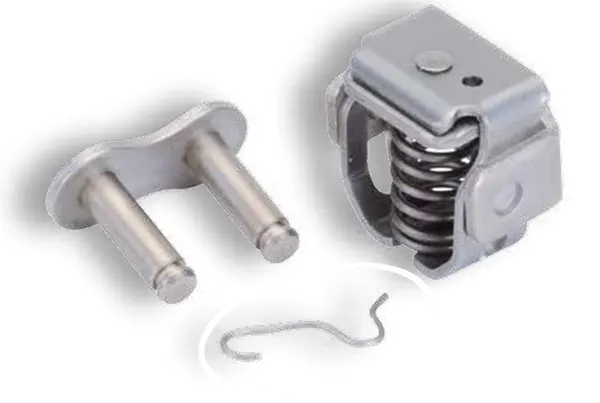
| Gripper plates become worn or damaged | Replace worn or damaged plates |
| Gripper plates become clogged with debris | Clean plates regularly to prevent build-up |
| Chain becomes misaligned or twisted | Check chain tension and alignment regularly |
| Products become stuck or jammed on the conveyor | Adjust gripper plate spacing or conveyor speed to prevent jams |
| Chain breaks or fails | Replace broken or worn chain links immediately |
Sprockets for Gripper Chains
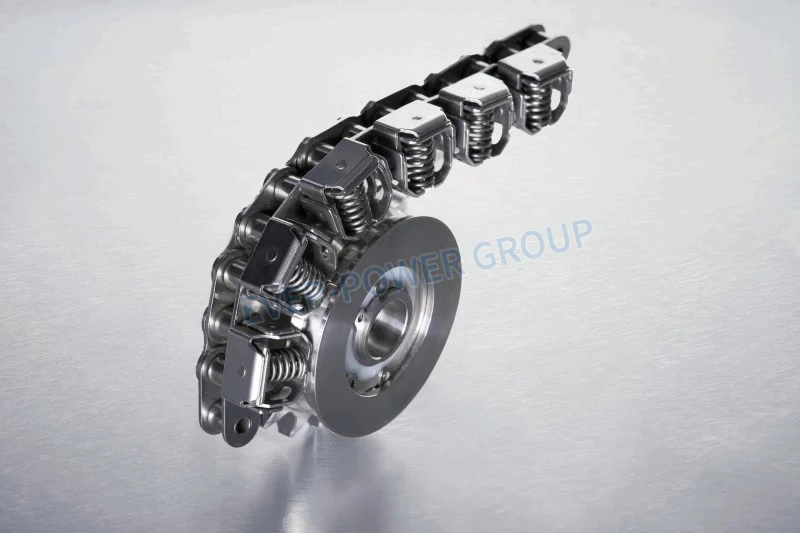
Sprockets are an essential component of any gripper chain system. The sprockets are responsible for driving the chain and ensuring that it moves smoothly and efficiently along the conveyor line. Choosing the right sprocket is crucial for ensuring optimal performance and reducing maintenance costs.
At Ever-Power, we offer a wide range of sprockets that are specifically designed to work with our gripper chains. Our sprockets are made from high-quality materials and are precision-engineered to provide reliable, long-lasting performance. Whether you need a standard sprocket or a custom solution, we have the expertise and experience to meet your needs.
About Ever-Power
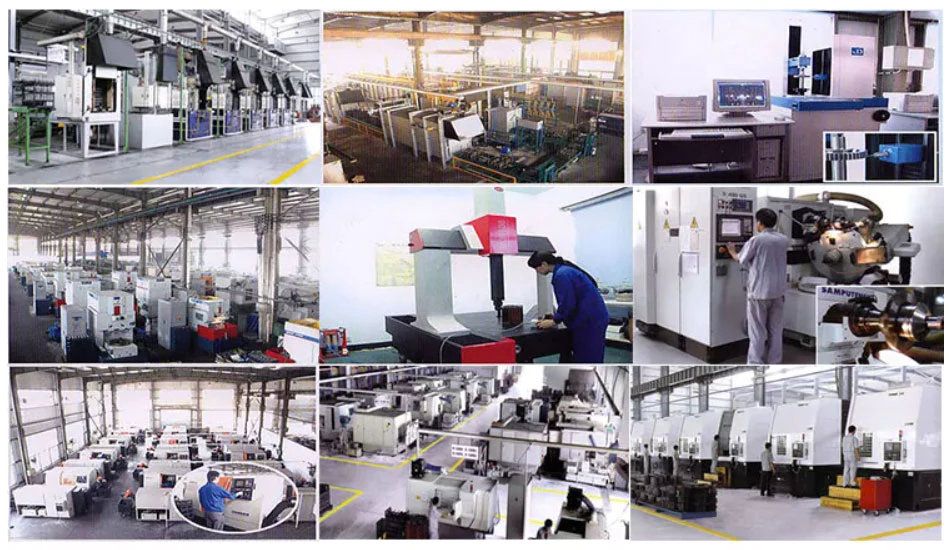
Ever-Power is a leading manufacturer of gripper chains and sprockets for a wide range of industrial applications. With over 20 years of experience in the industry, we have built a reputation for providing high-quality products and exceptional customer service.
Some of the advantages of working with us include:
- Custom solutions tailored to your specific needs
- High-quality materials and precision engineering
- Competitive pricing and fast delivery times
- Expert technical support and customer service
- A commitment to quality and reliability
Q&A
Q: How do I know if a gripper chain is right for my application?
A: Gripper chains are ideal for applications where products need to be moved along a conveyor line automatically. They are suitable for a wide range of industries, including food and beverage, pharmaceuticals, and packaging. To determine if a gripper chain is right for your application, it is important to consider factors such as product size and weight, conveyor line length, and the need for accumulation or buffering.
Q: Can gripper chains be used in harsh environments?
A: Yes, gripper chains can be designed to withstand harsh environments, such as extreme temperatures, moisture, and corrosive materials. At Ever-Power, we offer a range of materials and coatings that can be used to enhance the durability and corrosion resistance of our gripper chains.
Q: How often do gripper chains need to be maintained?
A: The maintenance requirements for gripper chains will depend on a variety of factors, such as the operating environment, the frequency of use, and the type of products being moved. In general, gripper chains should be inspected regularly for signs of wear or damage, and any worn or damaged components should be replaced immediately. It is also important to clean the gripper plates regularly to prevent build-up and ensure smooth movement along the conveyor line.
Edited by Zqq.